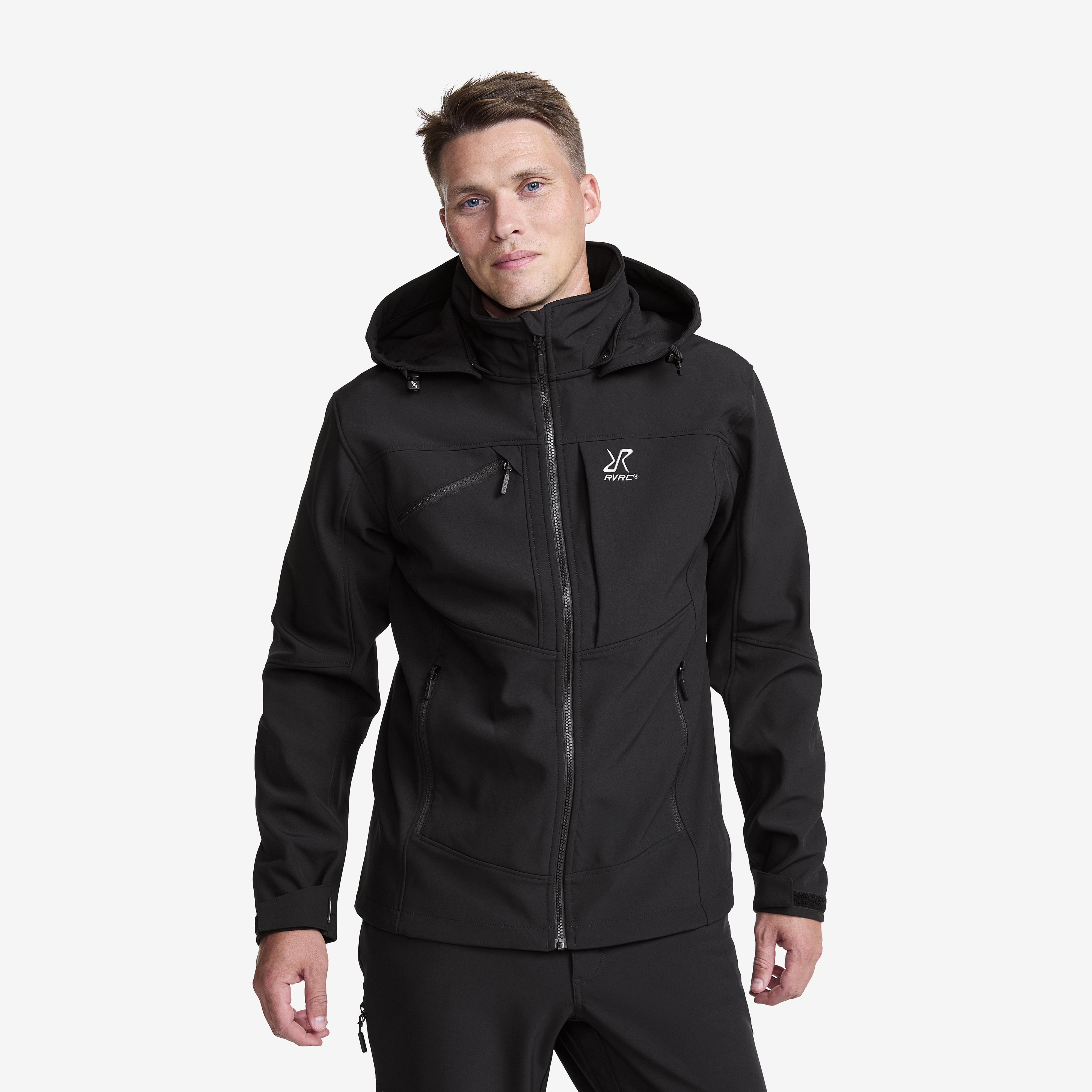
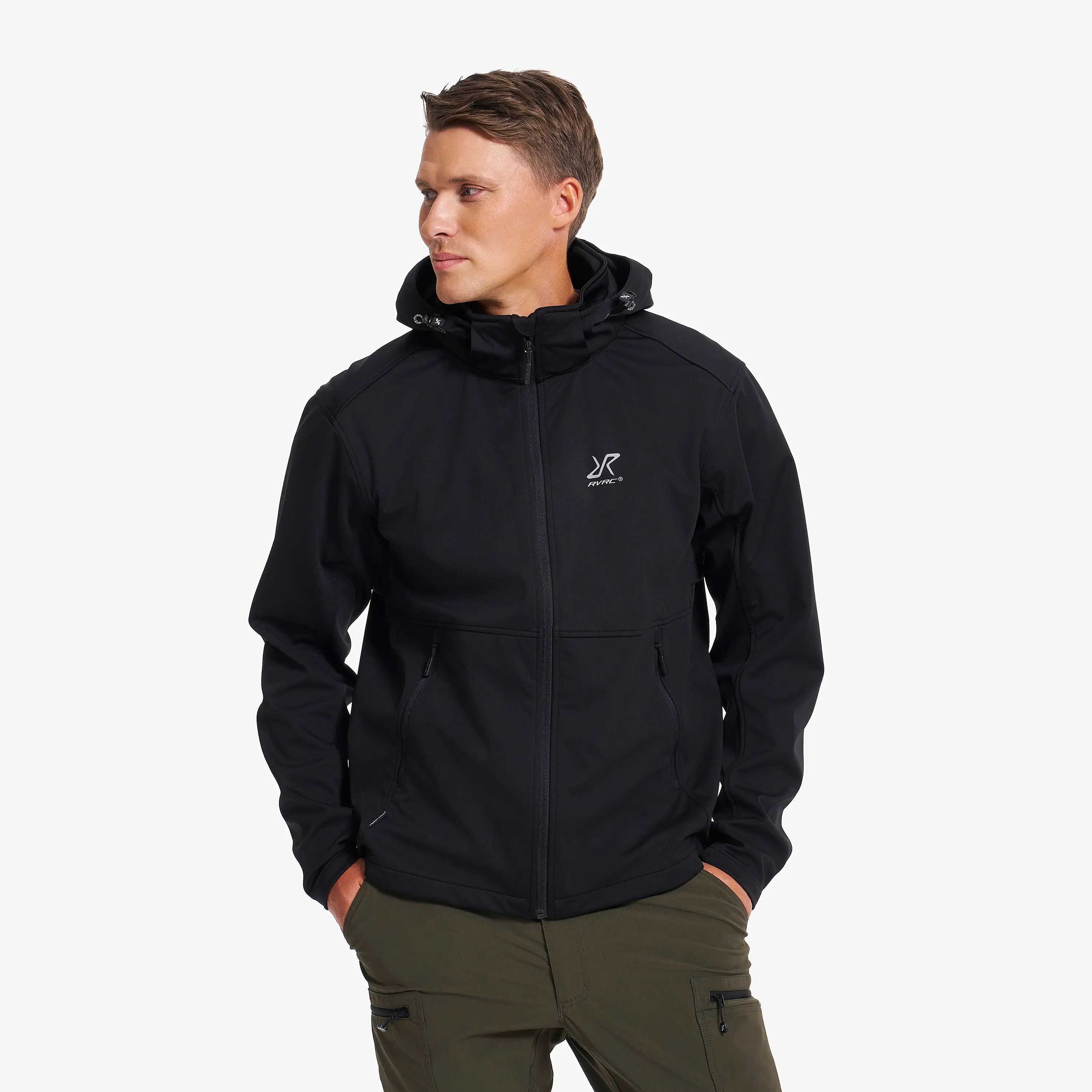
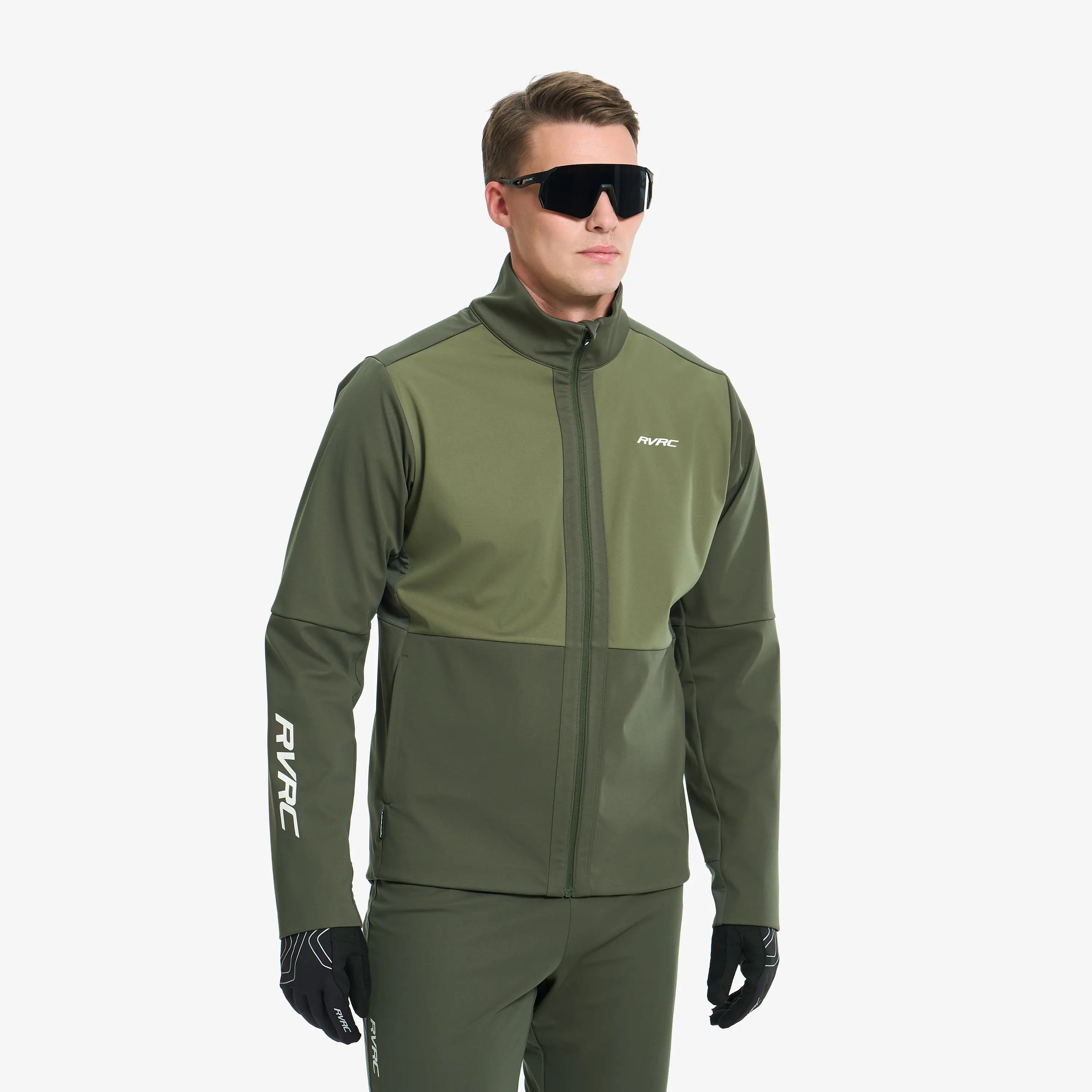
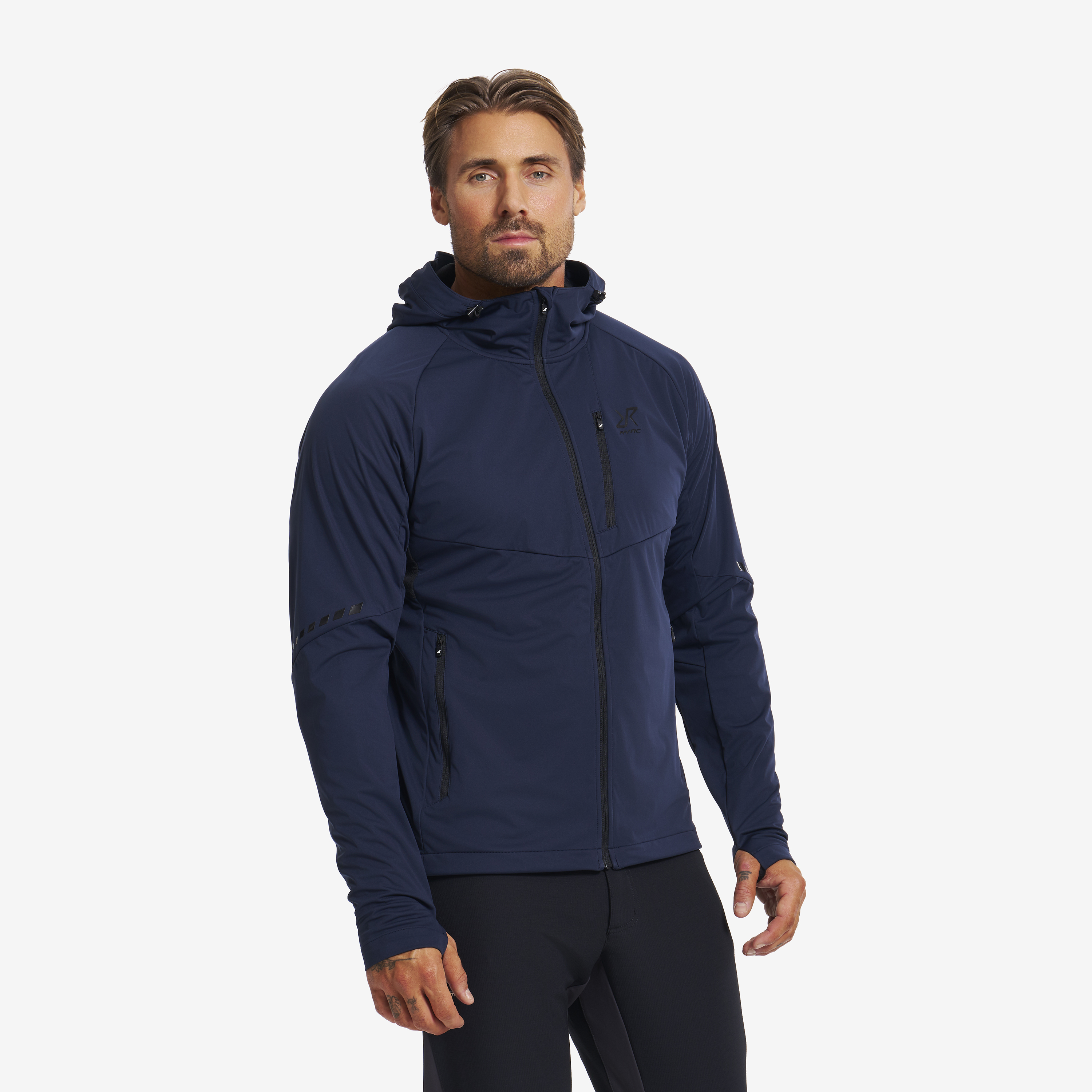
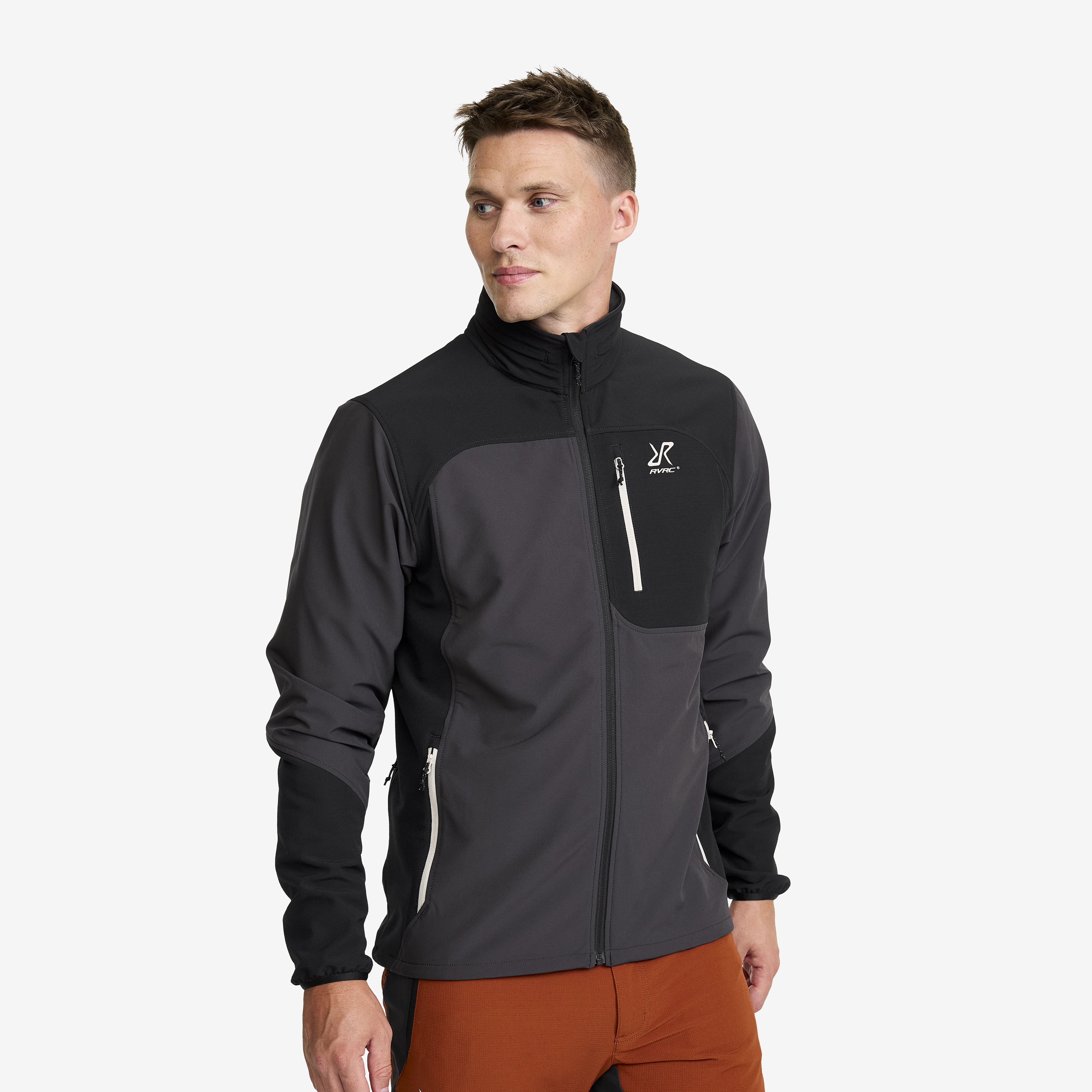
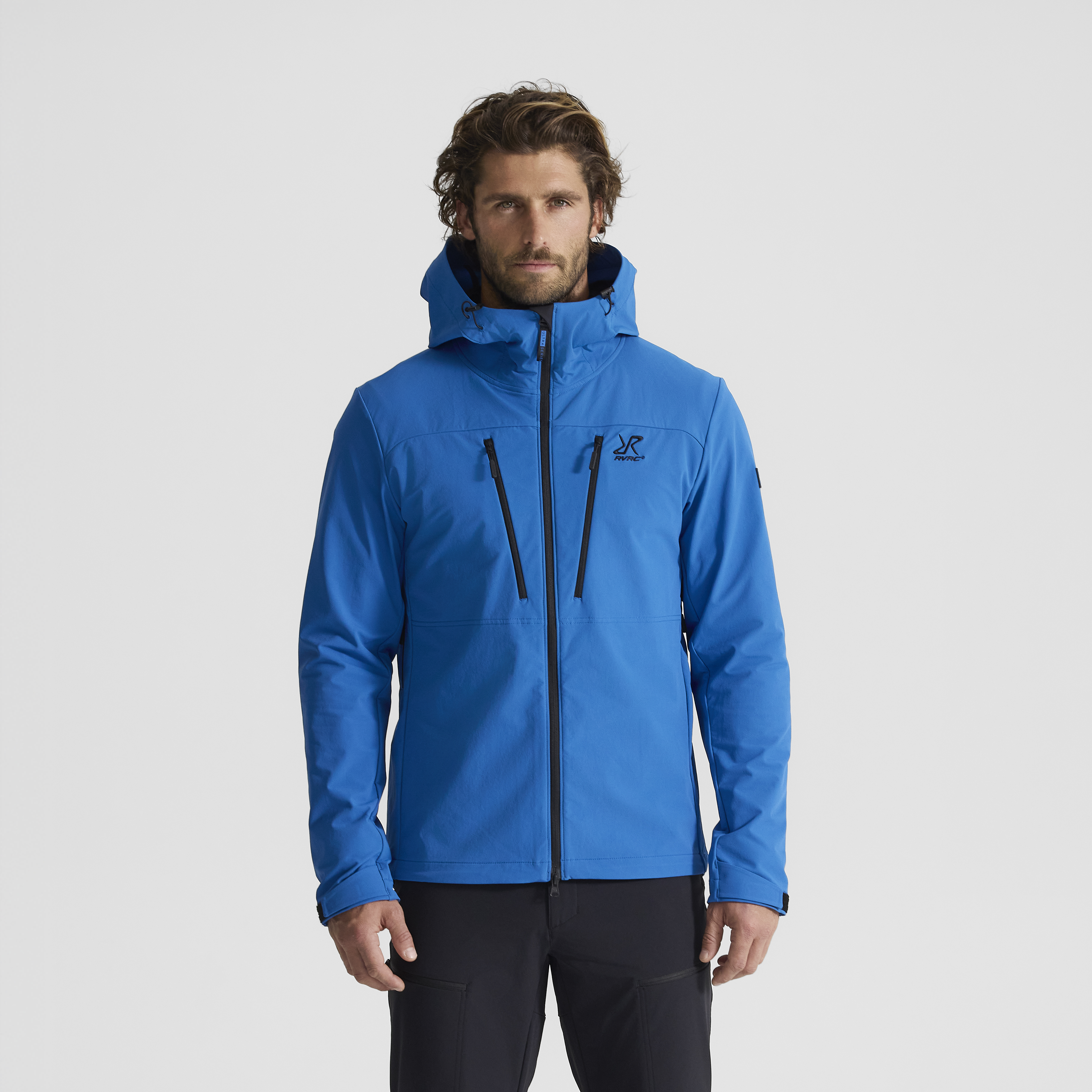
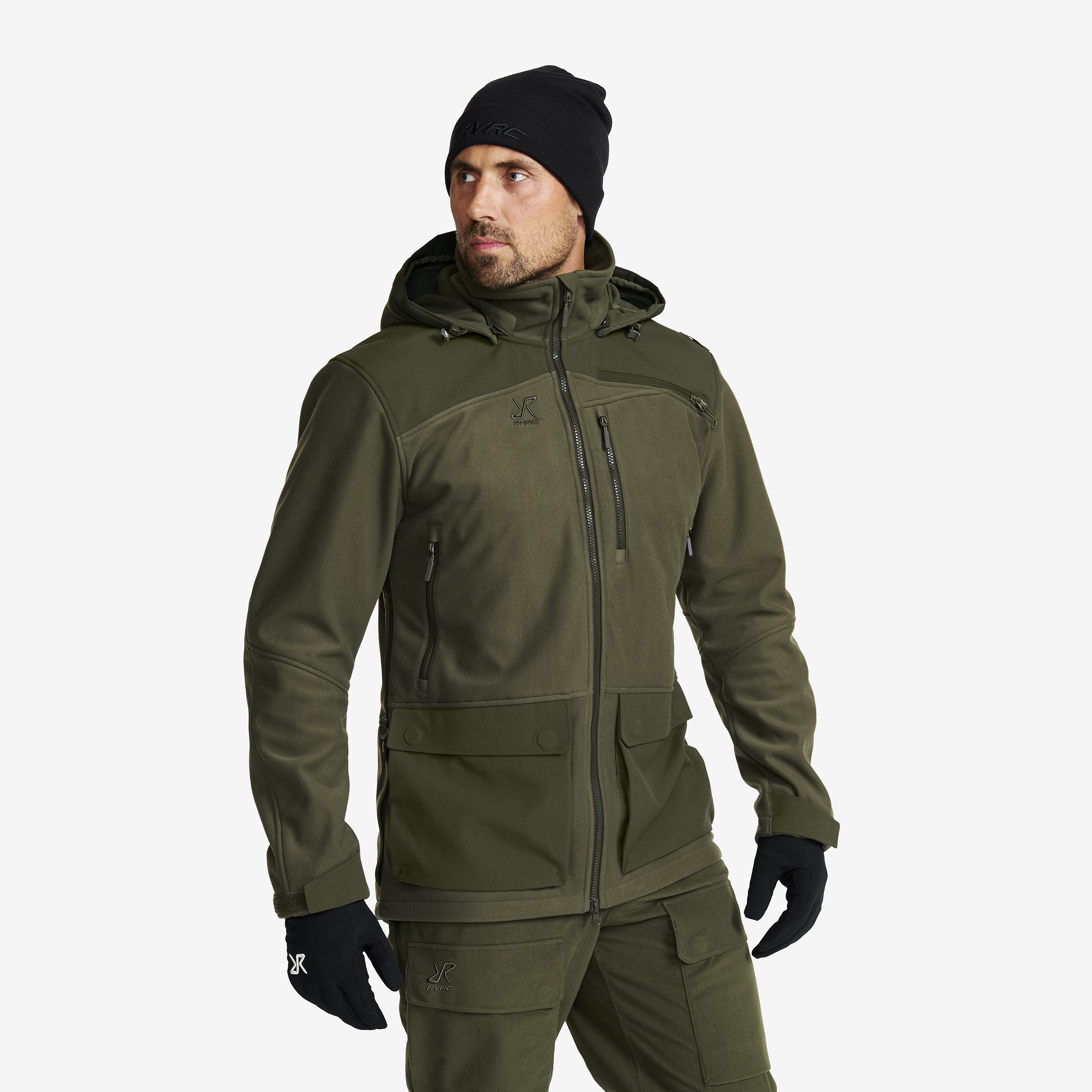
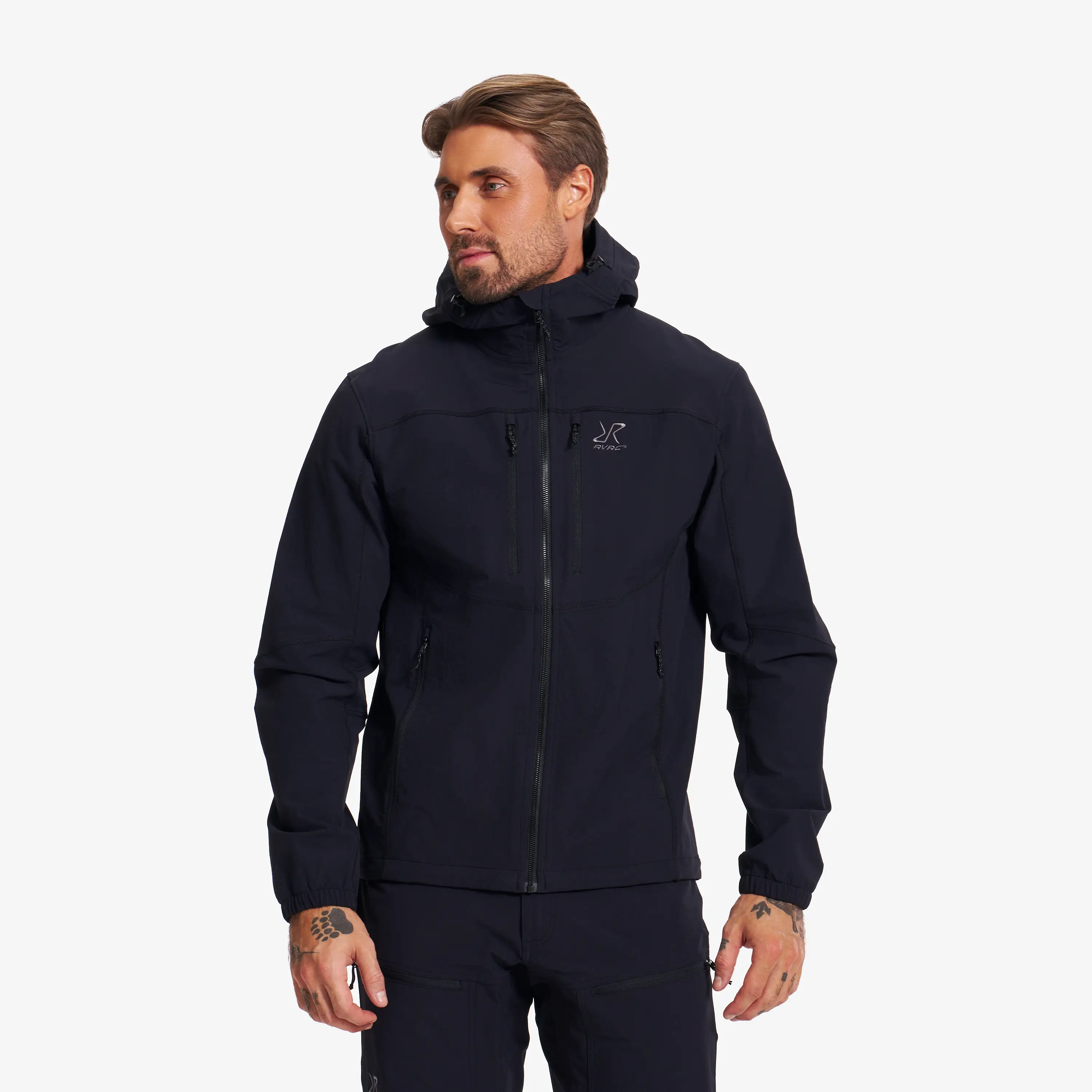
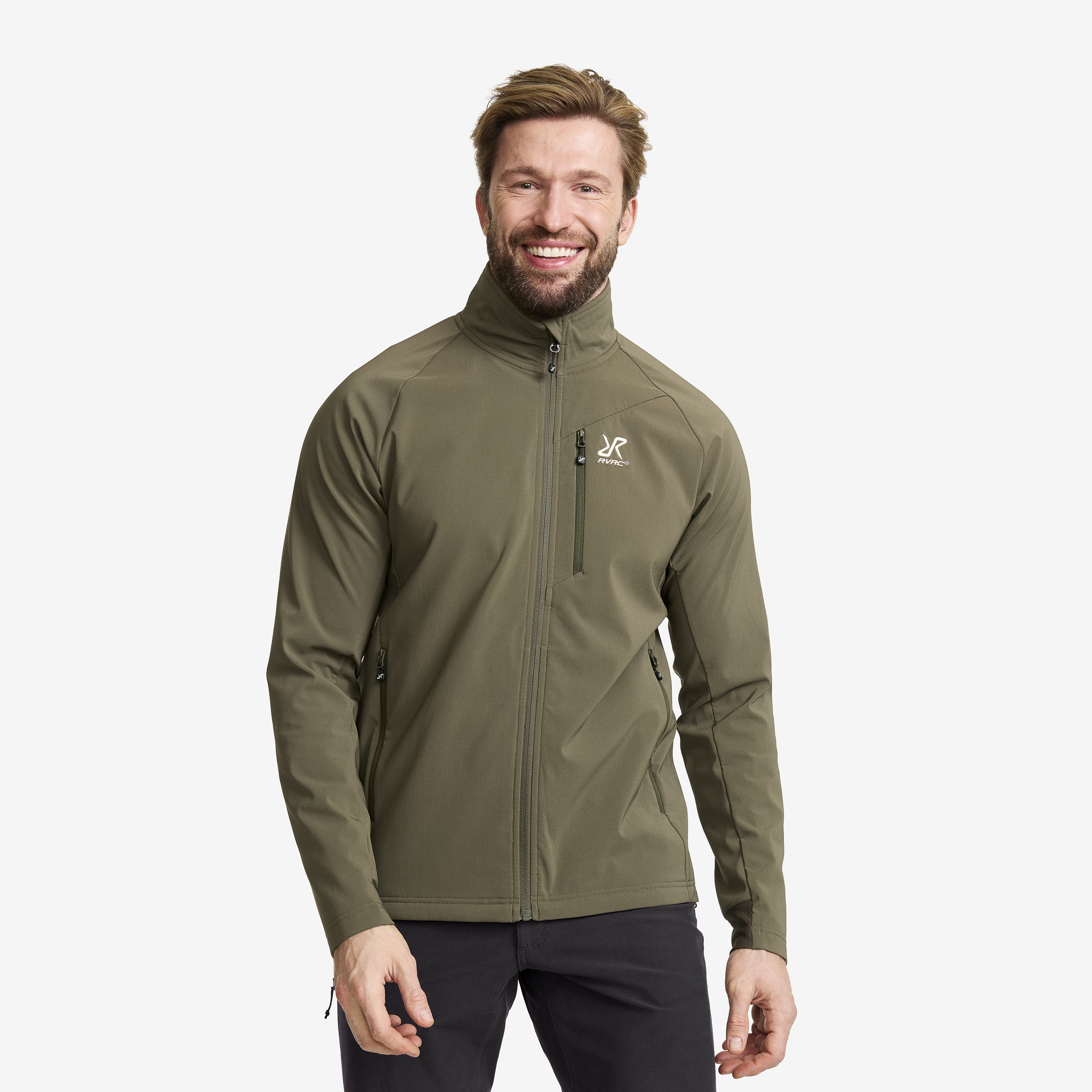
Who says you can't have it all? Softshell jackets bridge the gap between comfort and protection, making them a favorite among outdoor enthusiasts. They're more breathable and flexible than a hardshell, giving you freedom of movement and preventing overheating. But unlike a fleece, they offer wind and water resistance, keeping you warm and dry during unexpected rainshowers or chilly mornings. Still not sure if softshell jackets are for you? Check out our FAQ section below for answers to all your softshell jacket questions.
Frequently asked questions
Softshell jackets offer moderate warmth, making them ideal for cool to mild weather conditions. They're not designed for extreme cold, but they do a great job of stopping wind and light rain, which can significantly impact how warm you feel.
The actual warmth of a softshell jacket depends on several factors:
Lining: Some softshell jackets have a fleece lining for added warmth.
Thickness: Thicker softshell jackets will naturally be warmer than thinner ones.
Activity Level: When you're active, your body generates heat. Softshell jackets are breathable, allowing this heat to escape and preventing you from overheating.
Here's a tip: To maximise warmth with a softshell jacket, layer it with a base layer and a fleece underneath for colder temperatures.
Softshell jackets are water resistant, not waterproof. They'll repel light rain and drizzle for a short period, but they won't hold up against heavy downpours for long.
The water resistance comes from a Durable Water Repellent (DWR) coating applied to the outer fabric. Over time, this coating can wear off and need reapplication with a special spray.
If you expect heavy rain, a hardshell jacket would be a better choice for complete waterproofing. While some softshell jackets boast a membrane and a water resistance rating, they might not be fully waterproof. This is because their comfy lining often makes it tricky to seal the seams with waterproof tape, which can be a weak spot for water to seep through.
The good news is, softshell jackets often come with a built-in advantage: a cosy fleece lining. This lining adds a layer of warmth compared to a thinner hardshell, so depending on the weather and your activity level, you might not even need a mid-layer.
Here's a guide to conquer different conditions:
Cool weather: When the temperature dips, a base layer med of merino wool or a synthetic fabric is your perfect partner. It wicks away moisture to keep you feeling fresh, and the softshell's lining adds extra warmth. However, if it's chilly, add a light fleece for an extra layer of warmth.
Mild weather: On those days with sunshine and a pleasant breeze, a light-weight t-shirt or tank top can be enough under your softshell. The built-in lining provides a comfy layer without overheating.