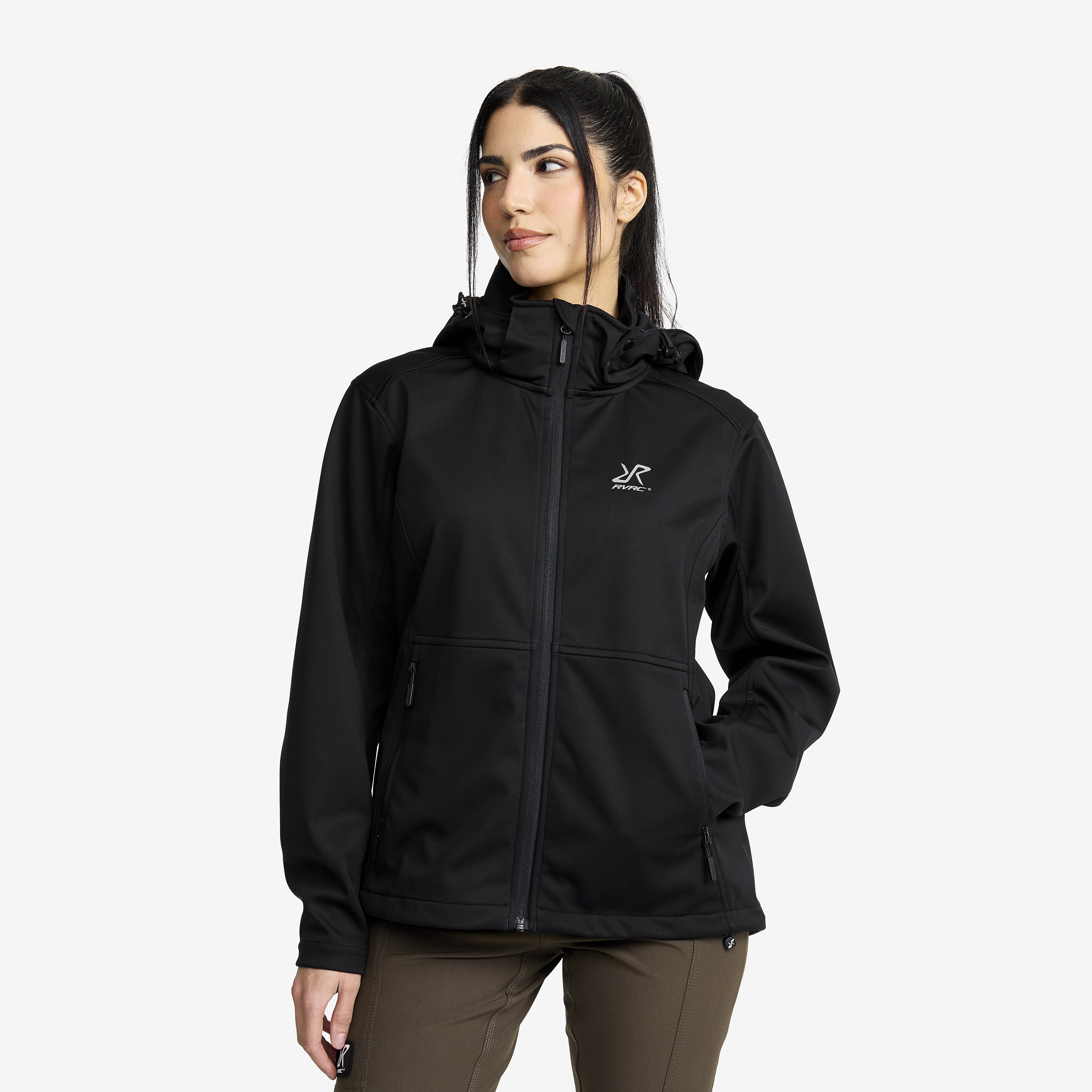
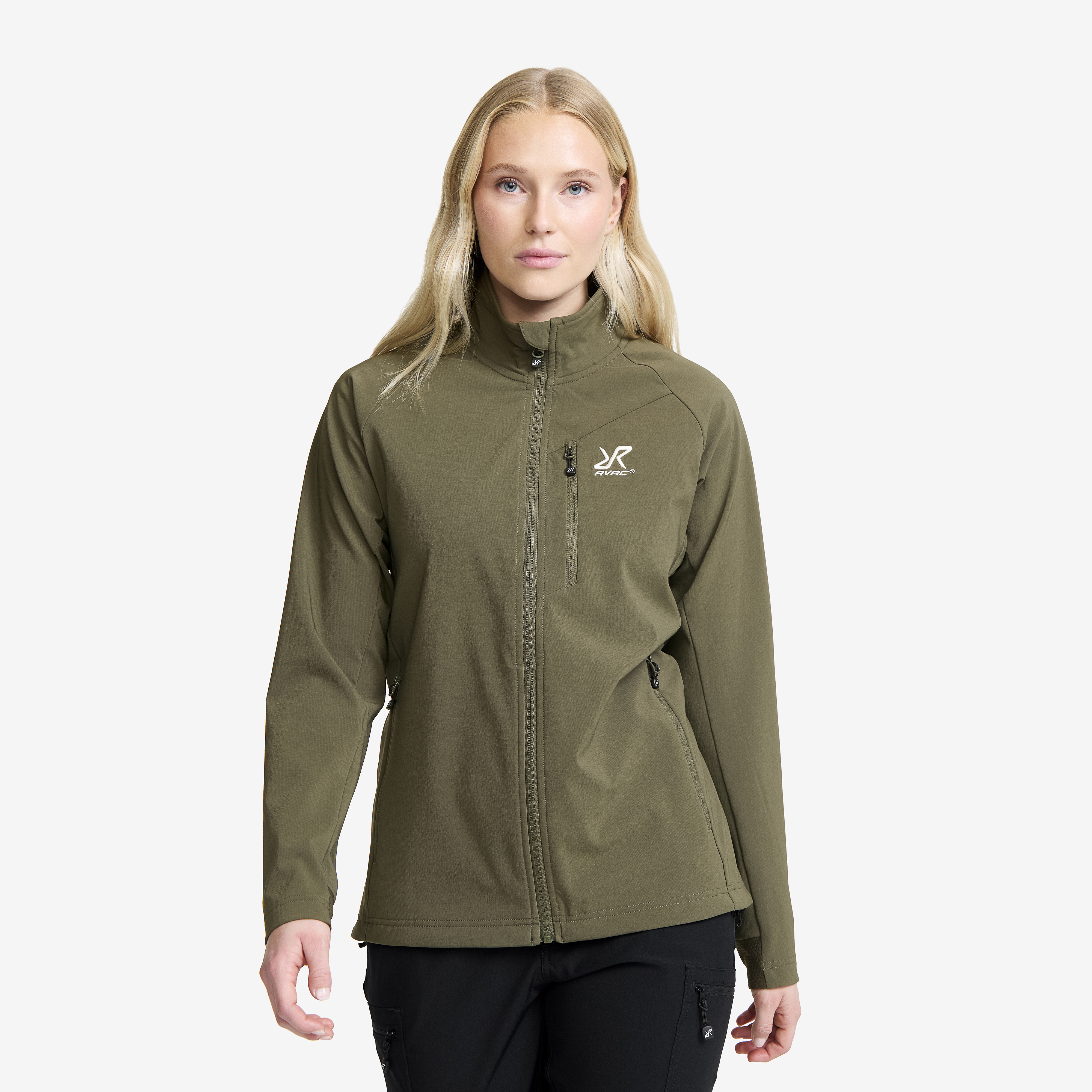
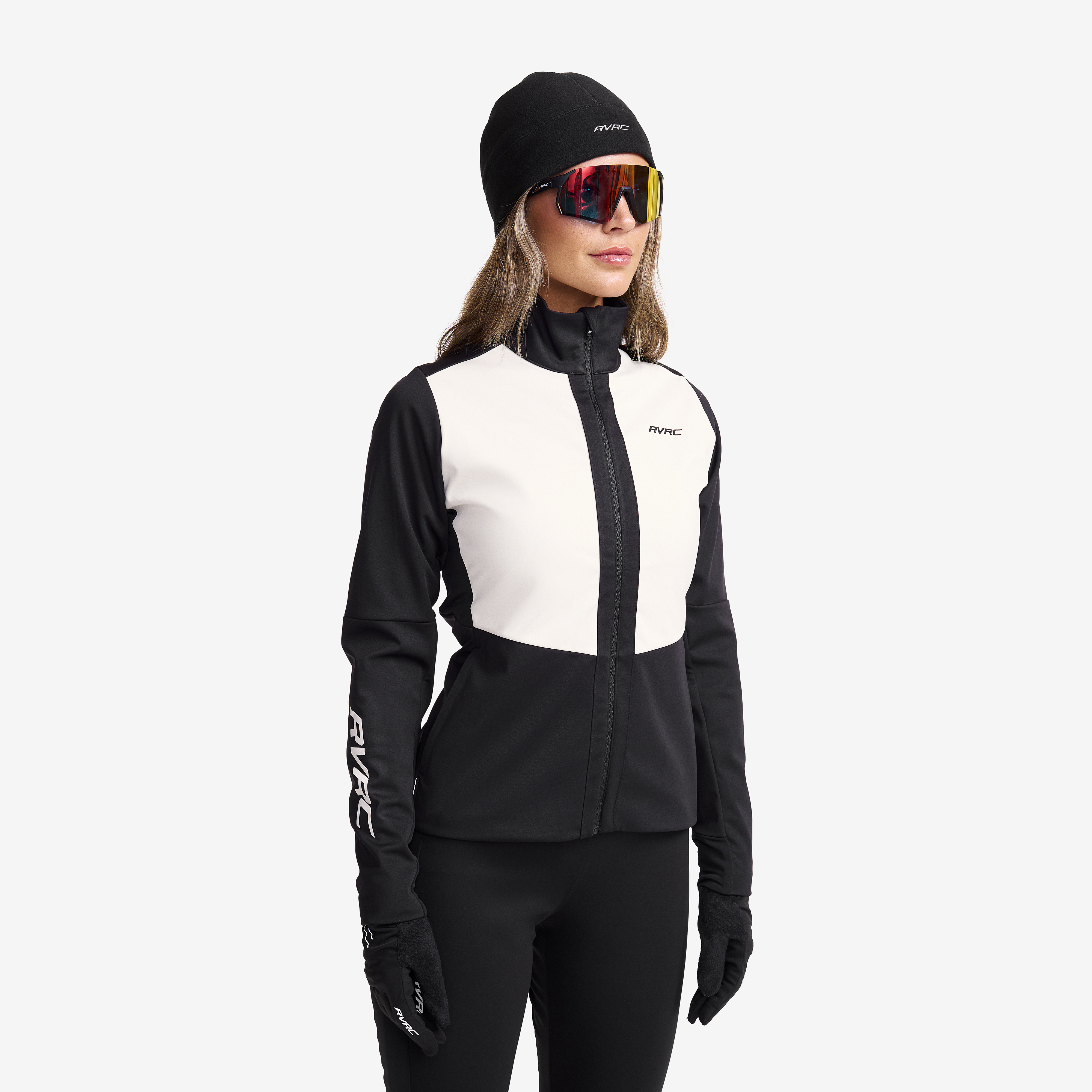
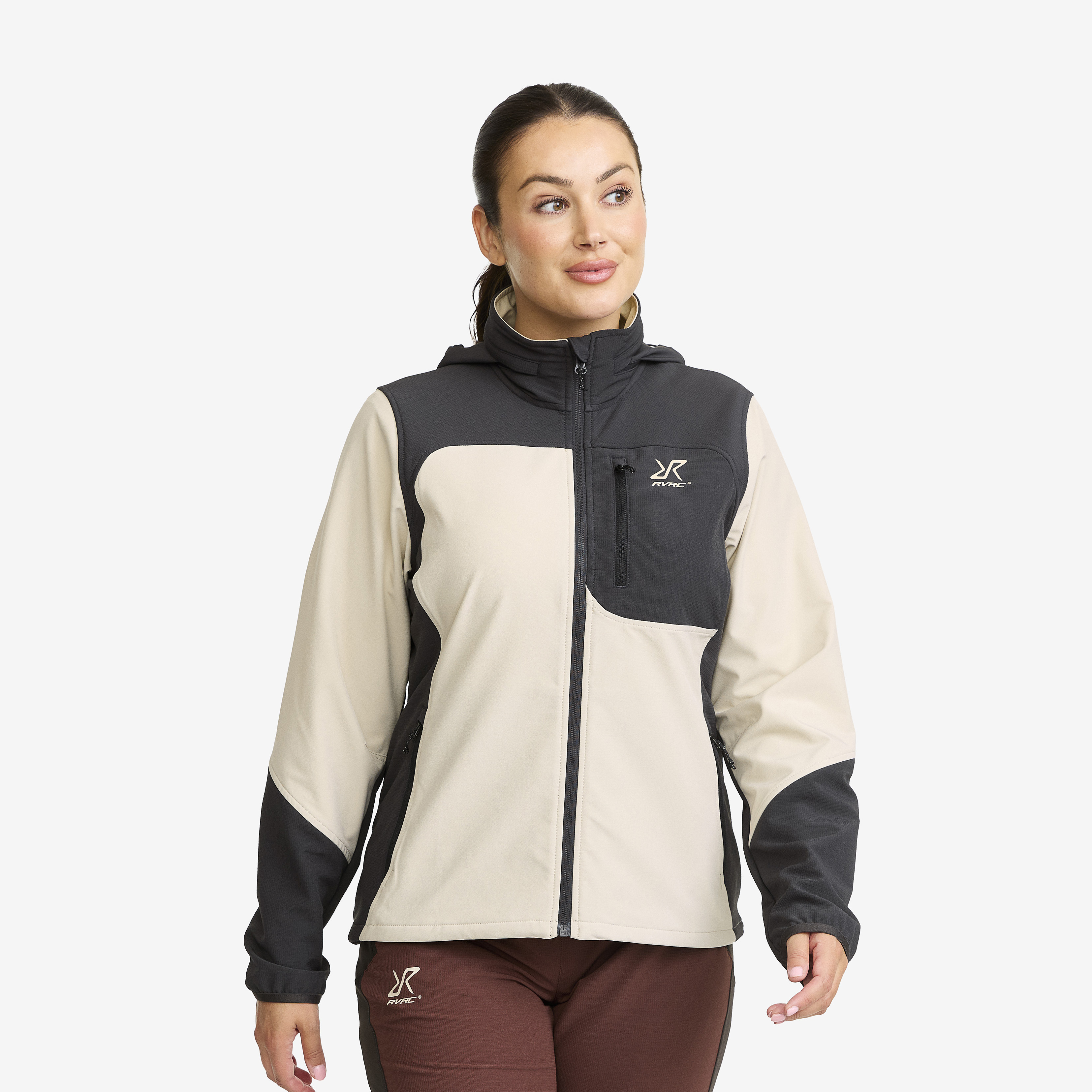
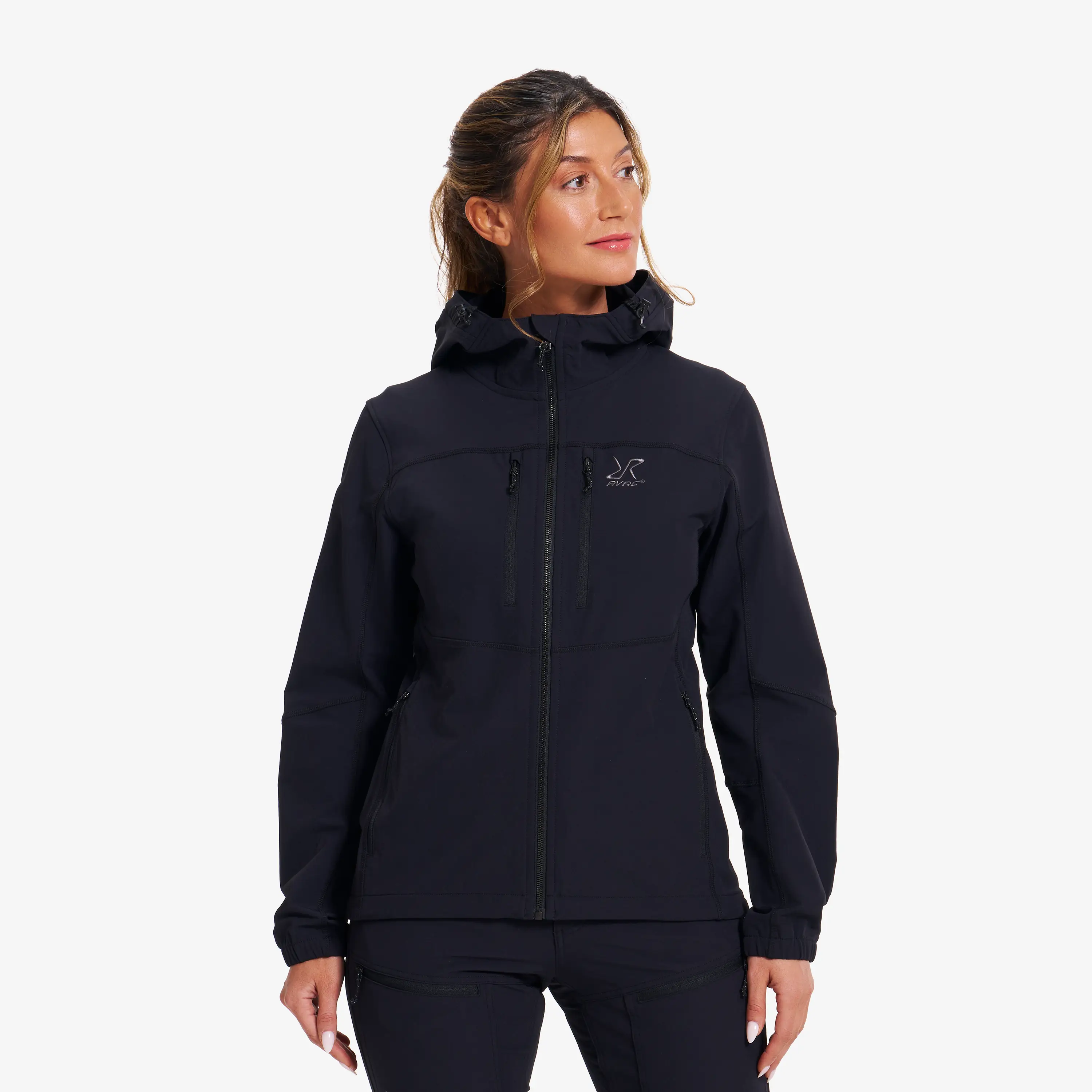
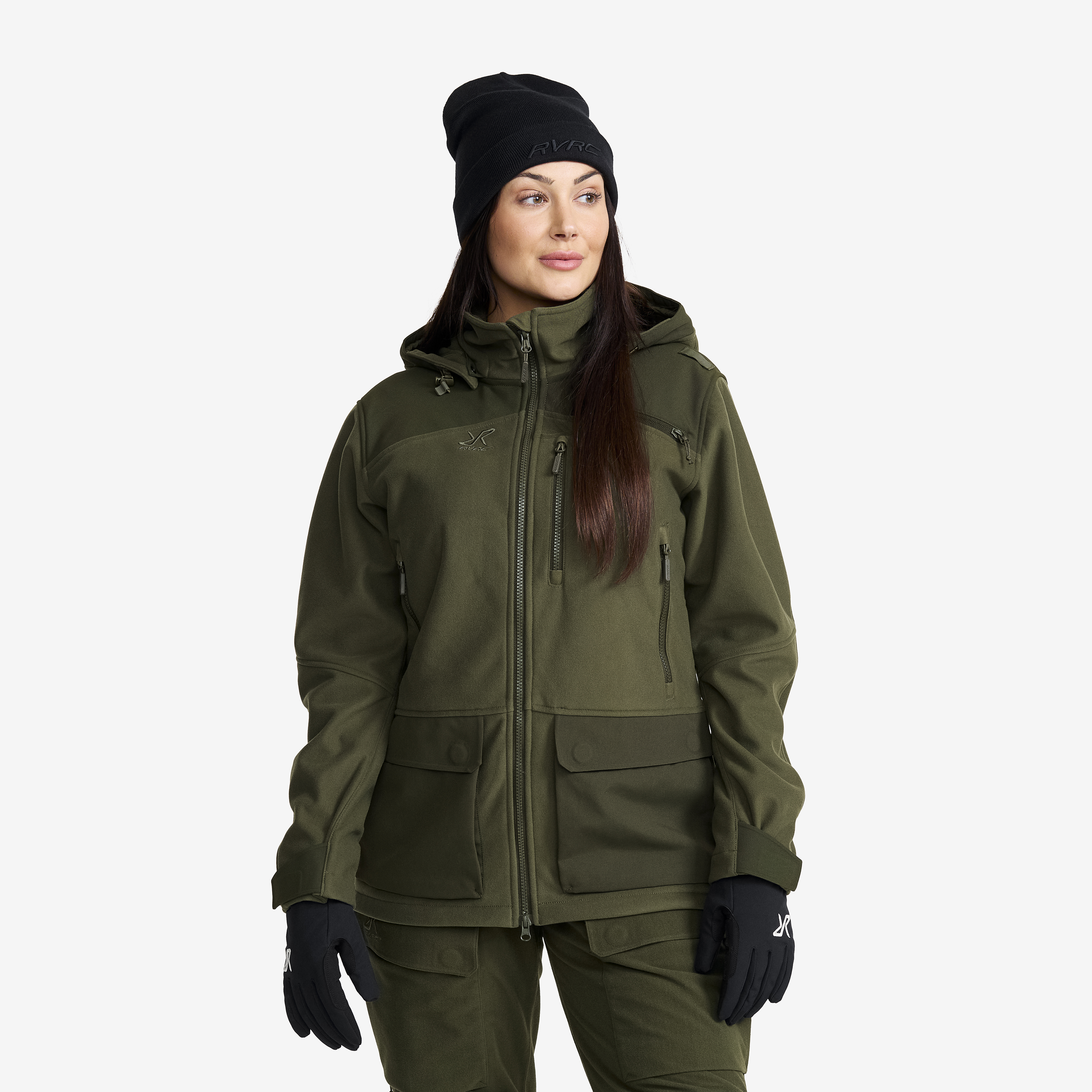
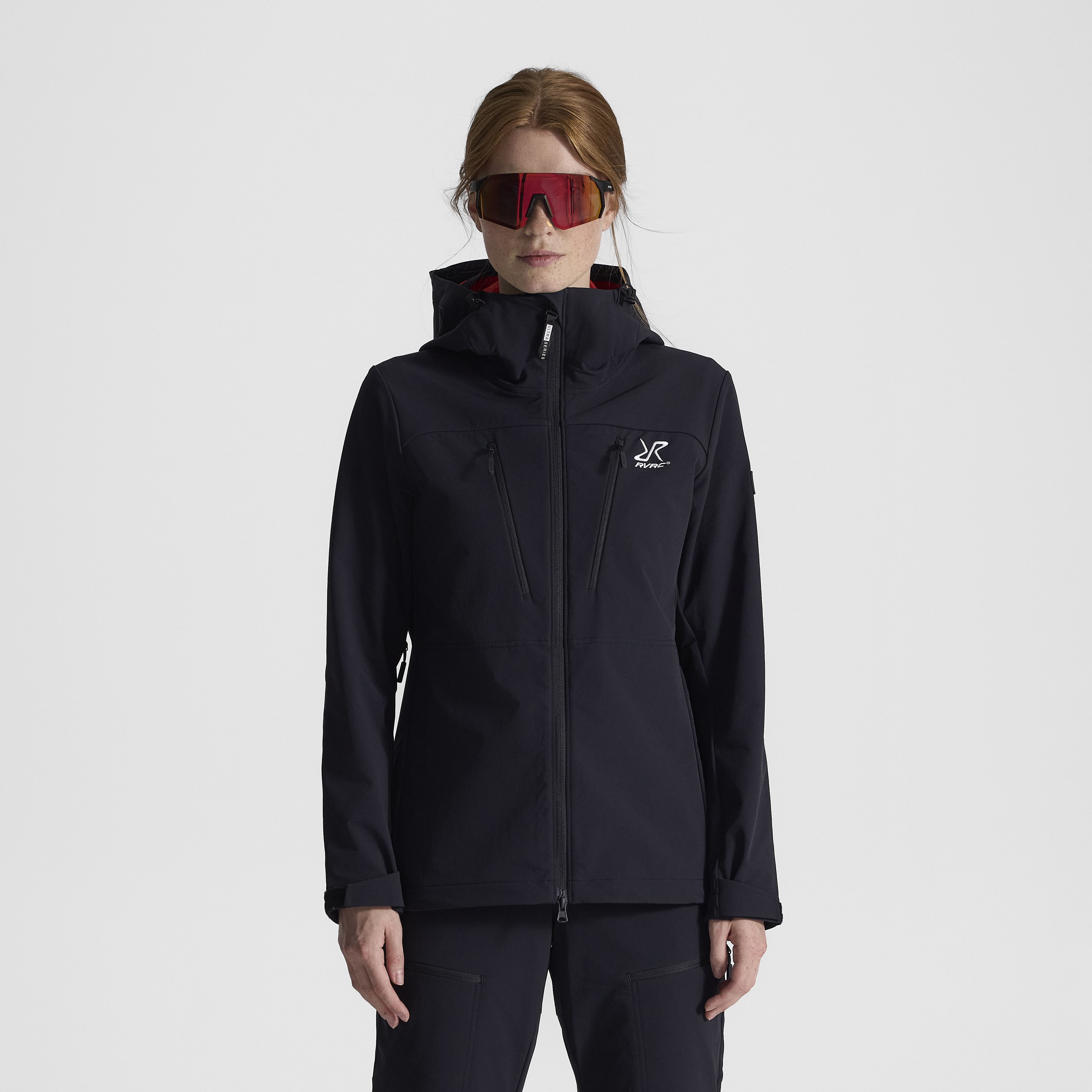
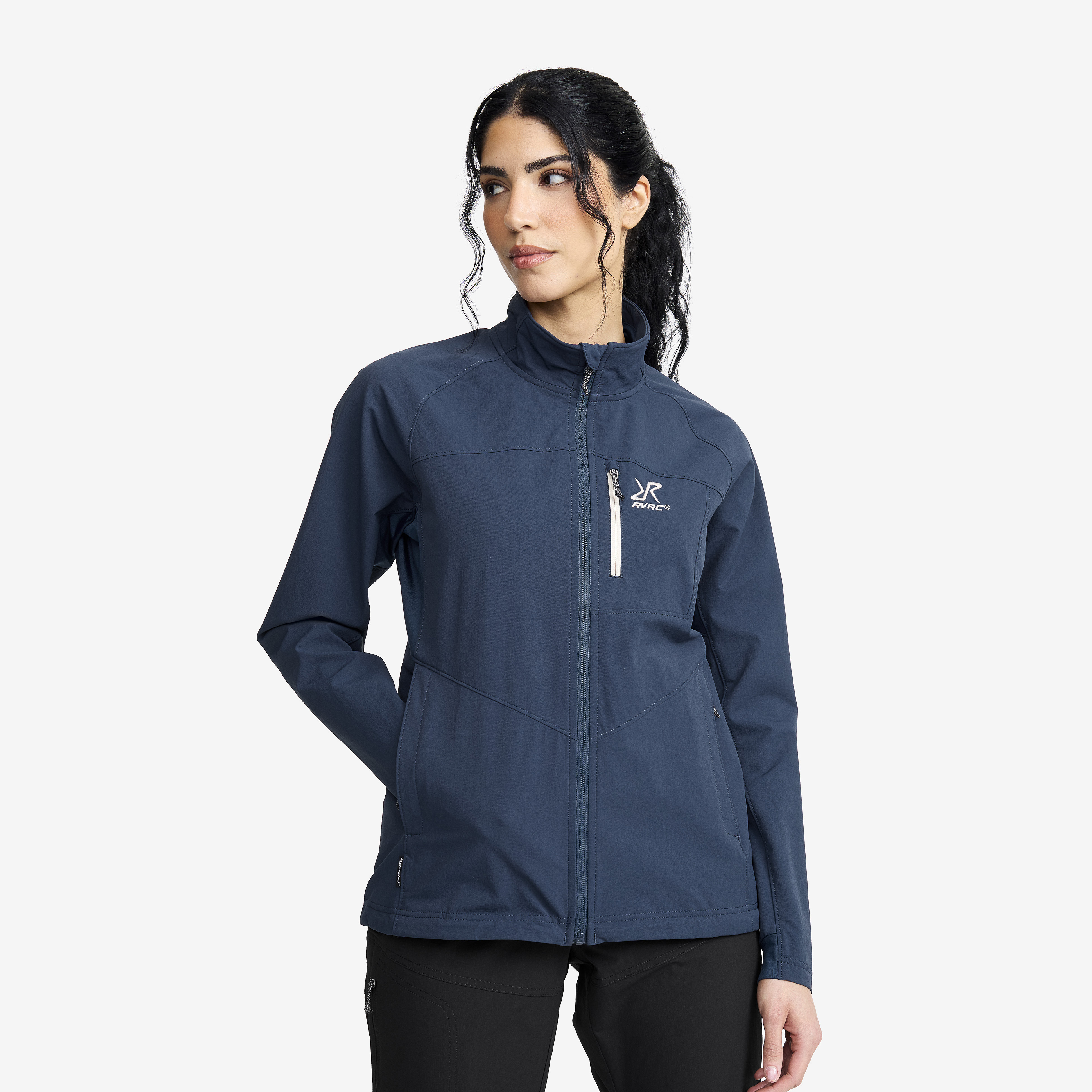
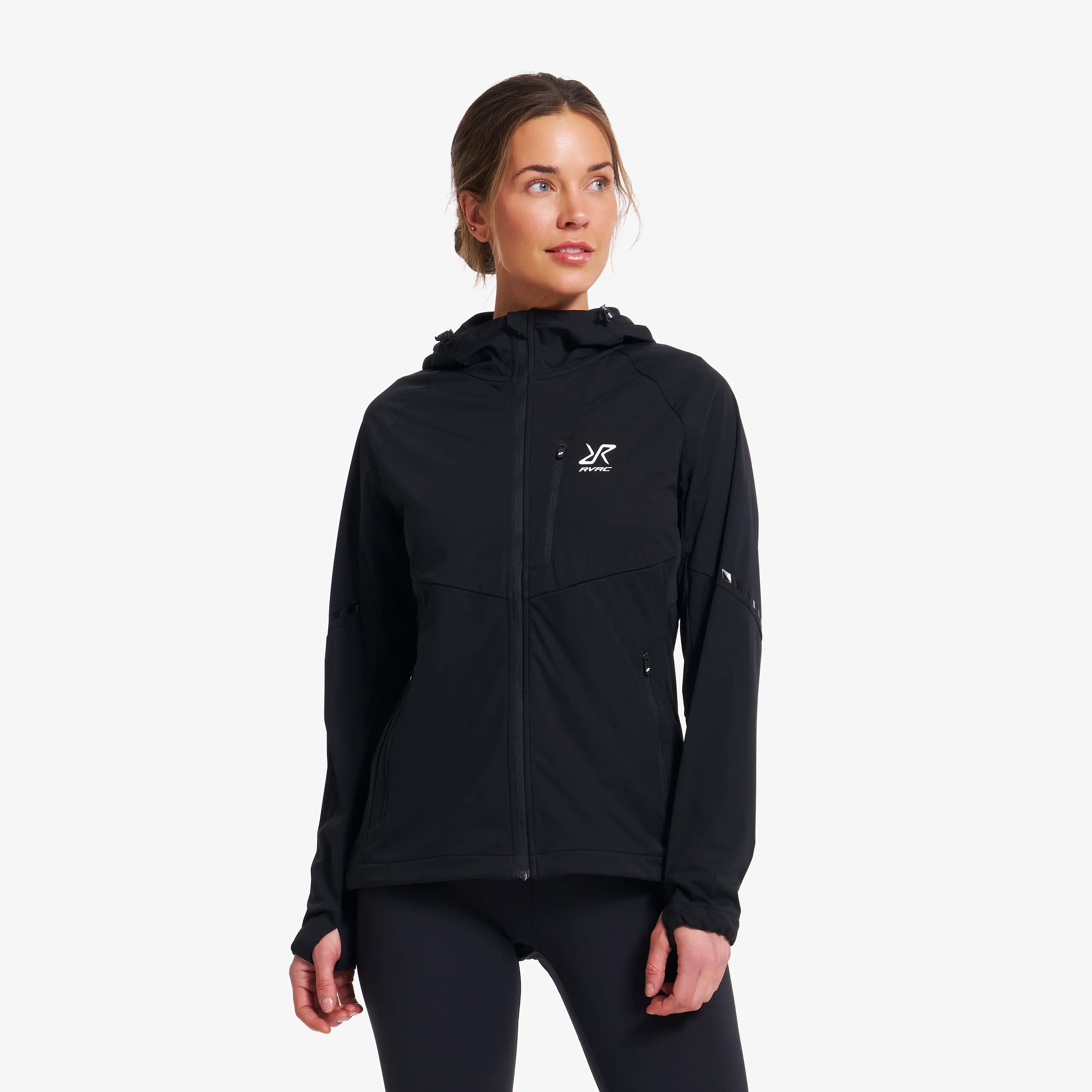
Conquer the elements in comfort with a softshell jacket
Don't let unpredictable weather dampen your outdoor adventures! Softshells are designed to let your body breathe, keeping you feeling fresh on hikes, climbs, or even while conquering that to-do list on a breezy day. Whether it's a cool morning or a surprise rain shower, a softshell jacket blocks wind and light rain, keeping you comfortably dry. And the softshell jacket's stretchy design moves with you, giving you total freedom on the trail. In other words, the perfect companion for all your outdoor activities and everyday errands! Still have questions? No worries! Our handy FAQ section below has all the answers you need to pick the perfect softshell jacket for your next adventure.
Frequently asked questions
Softshell jackets offer moderate warmth, ideal for cool to mild weather. They block wind and light rain, which significantly impact how warm you feel. The actual warmth depends on: • Lining: For added warmth, some softshell jackets have a fleece lining. • Thickness: Thicker jackets are naturally warmer. • Activity Level: Your body generates heat when you are active. The breathability of softshell jackets allows this heat to escape, preventing overheating. Tip: Maximize warmth by layering a base layer and a fleece underneath your softshell jacket for colder temperatures.
Softshell jackets are often not waterproof, but they are water-resistant thanks to a Durable Water Repellent (DWR) coating. They repel light rain and drizzle for a short time but not heavy downpours. Remember, the DWR coating can wear off over time and needs to be reapplied.
For heavy rain, consider a hardshell jacket for complete waterproofing. While some softshell jackets have a membrane and water resistance rating, they might not be fully waterproof since it can be tricky to tape the seams with waterproof tape due to the jacket’s lining. This can create weak spots at the seams where water can seep through.
Many softshell jackets already come with a built-in fleece lining giving you more warmth than a hardshell jacket. Depending on the weather and your activity level, you might not even need a mid-layer thanks to the extra warmth from the lining.
Here's a short layering guide: • Cool-weather: Wear a base layer in merino wool or synthetic fabric to wick away sweat, and the softshell jacket’s lining helps to warm you up. For those extra chilly mornings or at higher altitudes, a light fleece can be a good addition. • Mild weather: When the sun is out and the breeze is warm, a lightweight t-shirt with long or short sleeves is often enough under your softshell. The built-in lining provides comfort without overheating.



)